After pilot training I had C-141A
training
at
Tinker
AFB in Oklahoma City--more systems, flight simulators, and
flight time. I liked Oklahoma--friendly people who would
invite a single guy home for dinner after church. After two
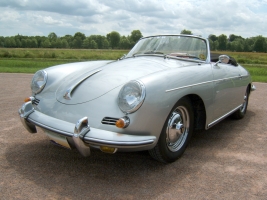
months I drove my
1961
Porsche across the desert for my first assignment as a
pilot. The emerald green hills and black cows of California
were so welcome after the barrenness of the desert--I felt like I
was entering Oz.
My squadron was the
75th
Military Airlift Squadron, which was part of
Travis
Air Force Base's 60th
Military Airlift Wing. I arrived at Travis as a brown
bar (second lieutenant). At first I stayed in the visiting
officers' quarters where I met a young Marine. He was drafted
and after a few months as a machine gunner in Vietnam was sent home
on compassionate leave. He was getting his courage up for his
flight back to Vietnam.
I qualified as a second pilot (beginning copilot), was promoted to
first lieutenant, and after a few hundred hours of C-141 time I
qualified as a first pilot. First pilots were in demand to fly
with aircraft commanders who had staff jobs for most of the time and
needed experienced copilots to keep an eye on them. We also
flew AC line checks--week-long check rides for pilots upgrading to
aircraft commander.
Early on I remember pulling out onto the runway at
Travis
AFB for a night flight across the Pacific. It was
foggy--the ceiling was zero and visibility was just a quarter of a
mile, but that's enough to take off under
Instrument
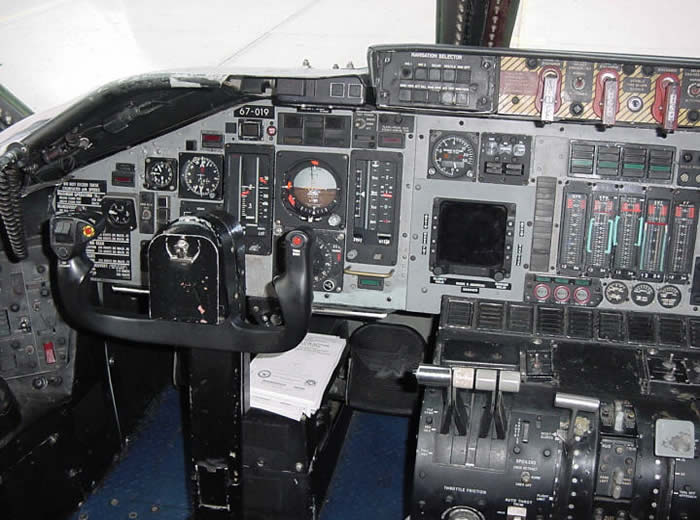
Flight Rules. As we advanced the throttles to takeoff
exhaust pressure ratio the four engines roared and vibrated with
80,000 pounds of thrust and as always there was that excitement in
the pit of my stomach. We weighed 325,000 pounds with a full
load of fuel and cargo so our initial movement was painfully
slow. But soon we were accelerating down the runway and trying
to maintain visual cues in the dark and fog. Half way down the
runway the edge lights flew by at one a second and we could only see
one at a time. If an engine failed there wasn't enough runway
remaining to stop, so our only choice now was to take off. As
we rotated, everything beyond the windscreen turned white as the
landing lights reflected off the fog. We waited for a positive
rate of climb, then gear up, flaps up, and accelerated to climbout
speed in the soup. Whew. As a naive young copilot I
admired those aircraft commanders.
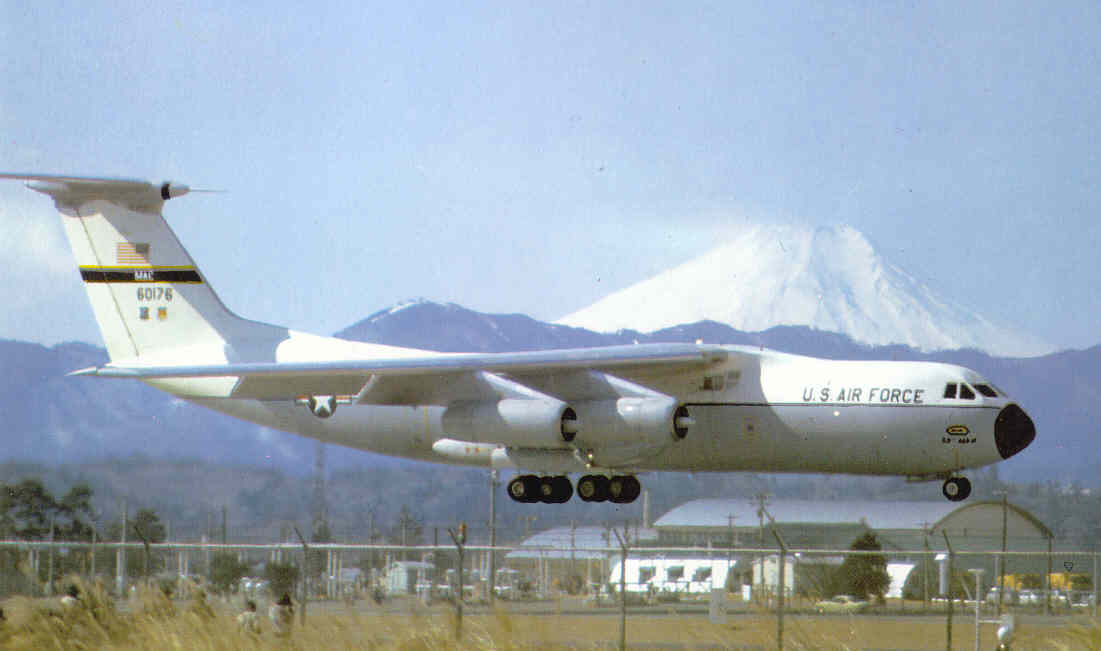
For 40 years the
C-141
Starlifter was the Air Force's mainstay
strategic
airlifter. It could carry 60,000 lbs of cargo or 154
passengers. In exercises we also airdropped cargo and
paratroopers, but didn't do airdrops in Vietnam. Our primary
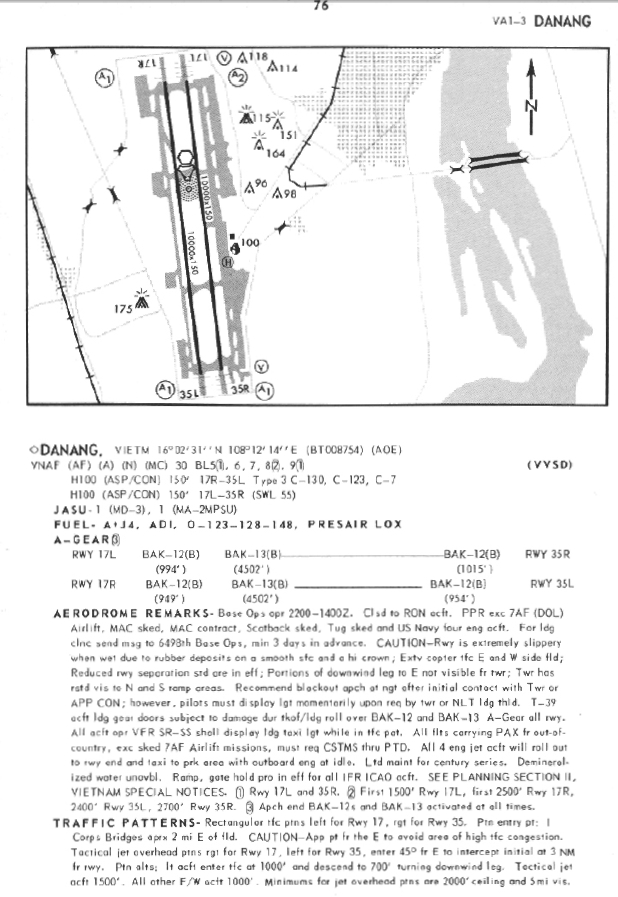
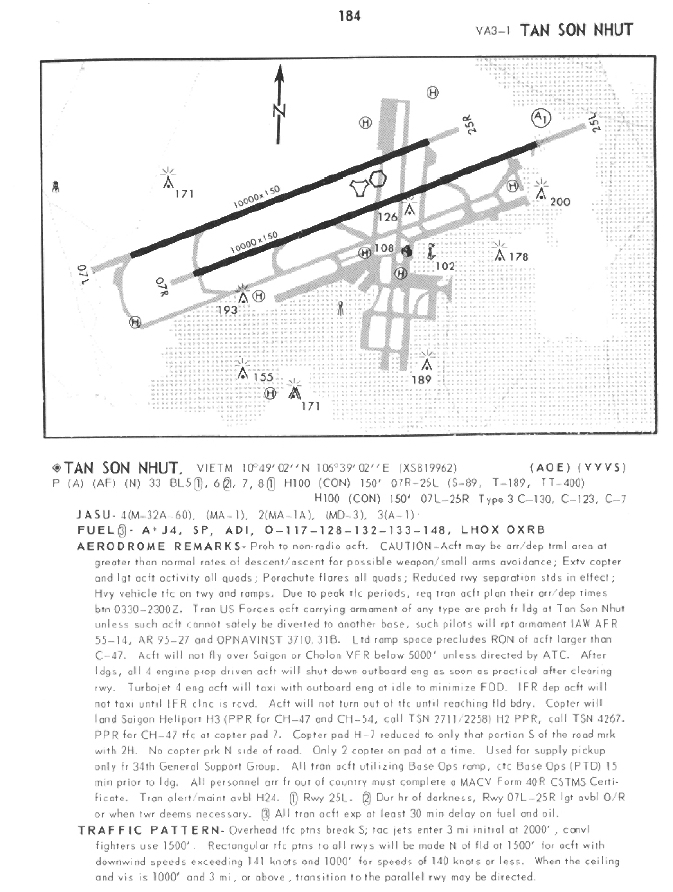
job was moving cargo from the U.S. to airfields in Vietnam:
Danang,
Cam
Ranh Bay, and
Tan Son
Nhut (Saigon).
C-130's,
C-123's, and
C-7's delivered those loads
to their final destinations at smaller airfields. We also
delivered the goods to other destinations like
Guantanamo
and Mendoza, Argentina.
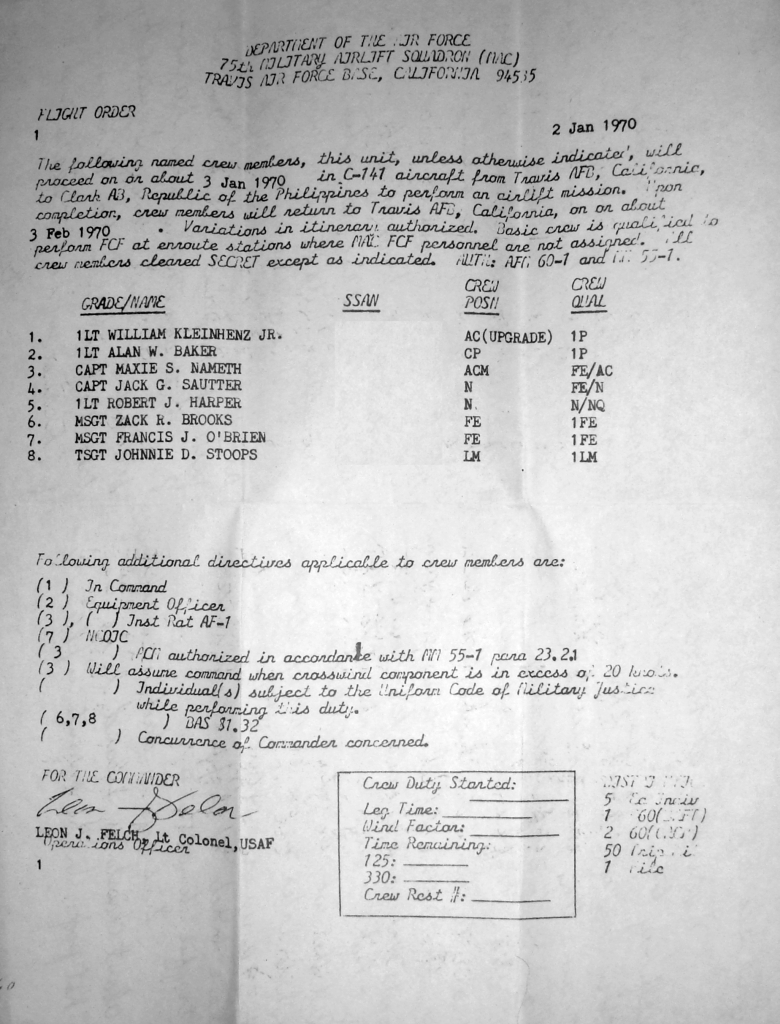
Our official orders were quite
open-ended--they just said to perform an airlift mission and return
within a month! A typical mission profile was like this:
Crew days were 16 hours, then we got 12 hours on the ground.
The C-141's did not stop to rest when we did. As soon as we
landed, another crew flew the airplane on to the next
destination. So our cargo made it from the U.S. to Viet Nam in
about two days.
We often shuttled back and forth among The Phillippines, Vietnam,
and Japan, so it usually took 6 to 10 days before we finally
returned to Travis. During our 16-hour crew day we crossed up
to 8 time zones, so after a few days of this we were pretty
jet-lagged. That last leg from Yokota to Travis via NOPAC-1 at
mach .767 was a long one.
Not all our cargo was classified Combat Essential--cigarettes for
example. Ships brought cigarettes to the port at Subic Bay,
Phillippines and trucks brought them to the big Base Exchange at
Clark Air Base.
But the cigarette trucks were hijacked so frequently that road
transportation was abandoned. Once I carried a C-141 full of
cigarettes from
Cubi Point Naval Air Station
(at Subic Bay) to Clark. It's just 50 miles and I barely had
time to get the gear up and down!
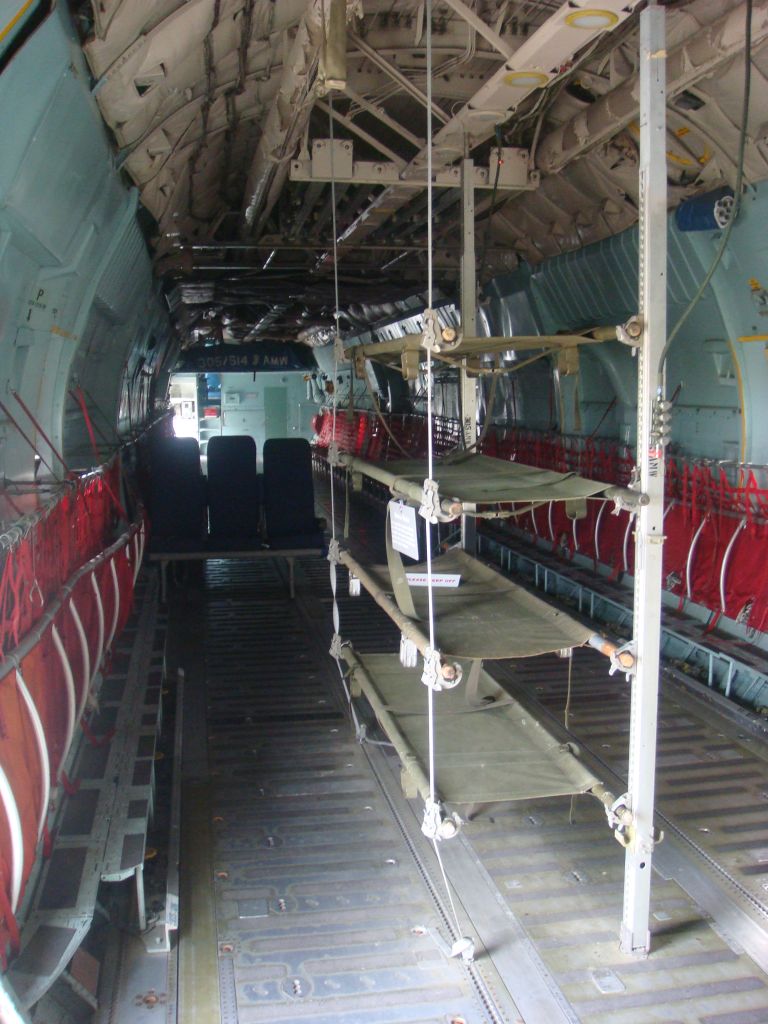
Our most rewarding mission type was med evac. We flew injured
GI's from Vietnam to hospitals in Japan for treatment and later from
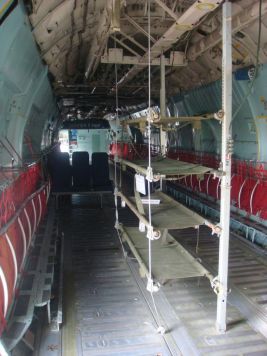
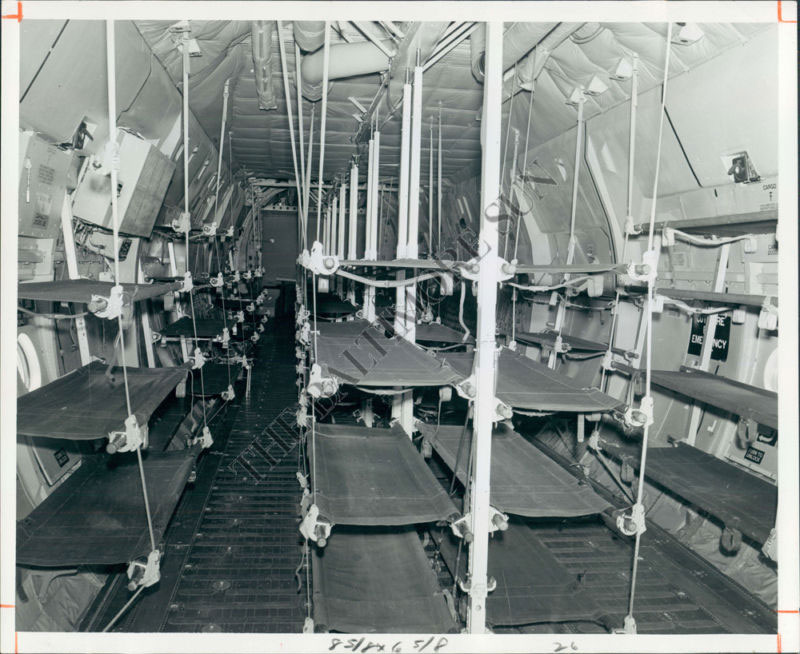
Japan to the U.S. for recuperation. The airplane was rigged
with
airline seats for guys who
could walk and cots for those who couldn't. Occasionally
we flew an air evac from Yokota to Hickam. Drinking chi-chis
at
Fort
Derussy was pretty sweet and visiting the
USS
Arizona Memorial was sobering.
Our saddest mission was bringing human remains back to the
U.S. from the
mortuary
at Tan Son Nhut. Pallets with caskets were always placed
all the way forward next to the flight deck bulkhead so if cargo had
to be jettisoned, the caskets would not have to be. On my
first mission into Saigon I was feeling pretty good because I'd just
been promoted to first lieutenant. The loadmaster rolled the
first pallet--aluminum caskets--up near the crew door.
Inscribed on the nearest one was, "Here lie the human remains of
First Lieutenant John Smith". And I didn't feel so good
anymore.
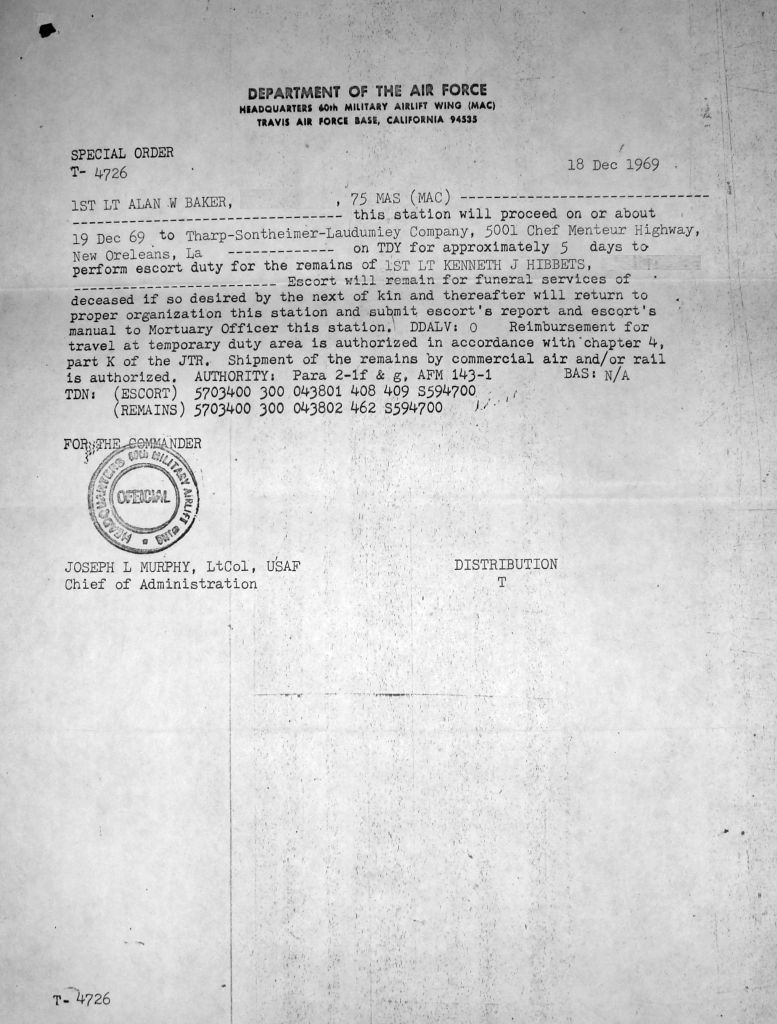
I also had the honor of being a
funeral
escort for the remains of a young C-130 pilot killed on a
training mission in Taiwan.
Mike Tracy and I both graduated from pilot training at Moody AFB and
we were roommates while we were stationed at Travis--first in
Fairfield, then in Davis. Our schedules were so out of sync we
saw each other only a few days a month. At the Presbyterian
Chrch in Davis I met this cute co-ed named Gloria and
I began writing her letters:
December 12, 1969 at Norton AFB
Well, other than THAT, Lt. Baker, how was your trip back from
Yokota?... We got a call from the Travis command post
saying that Travis was fogged in. So we re-filed and diverted to
Norton AFB near San Bernardino because the weather there was
forecast to be clear.
An hour later we were picking our way down through the mountains
and looking down at a completely overcast Los Angeles
basin. Meanwhile a radio failed and the number 3 throttle
was hanging up. And after the 10-hour flight from Yokota
plus the hour from Travis we were getting a little low on
fuel.
So we made an instrument approach down to 200' and had the
runway in sight, but the tower wouldn't clear us to land so we
executed a missed approach. On our second approach we were
cleared to land, but as we touched down, one engine wouldn't
reverse and the right landing gear strut deflated.
After about a year at Travis my squadron began to transition from
the C-141A to the C-5A, but I knew that was not my future. MAC
had a policy called overseas return date, which was the date on
which you would "return" to an overseas (spelled v-i-e-t-n-a-m)
assignment. The time we spent on overseas flights counted
toward this date, but unless you spent all your time overseas that
overseas return date marched inexorably closer. I could see
that before I accumulated enough hours to upgrade to aircraft
commander my overseas return date would come up. So rather
than wait for the Air Force to give me an assignment I didn't want,
I volunteered for an overseas assignment doing
tactical
airlift in
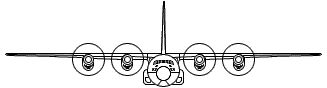
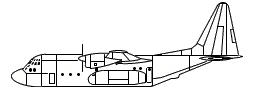
C-130's.
That turned out to be a good move.
November 30, 1969 enroute to Wake Island:
Our stop at Hickham (Honolulu) was a most profitable one for me.
I'd been trying for days to phone the PACAF officer assignments
section there, so I decided to go in person. And everything just
clicked. My C-130 assignment had no base indicated, but I wanted
to request CCK in Taiwan rather than Clark in the Phillipines,
which was the alternative. It's indeed a good thing I went
because they had already prepared orders for me to go to Clark,
but I was able to persuade the sergeant to change it to CCK.
I had already spent many days at Clark, so
Ching
Chuang Kang (CCK) Airbase in Taiwan sounded more
attractive. The flying would be in Vietnam either way and CCK
had newer airplanes. First I needed to attend
survival
school and
learn to fly the C-130.